American Geophysical Union
Eos is a source for news and perspectives about Earth and space science, including coverage of new research, analyses of science policy, and scientist-authored descriptions of their ongoing research and commentary on issues affecting the science community.
FY2027 Budget Request Slashes Billions in Science Funding
3 April 2026 @ 3:26 pm
 The Trump administration is requesting the cancellation of billions of dollars in funds for space science, renewable energy, carbon removal, and climate change education in its FY 2027 budget.
An Art-Science Partnership Offering New Views of Dynamic Landscapes
3 April 2026 @ 12:47 pm
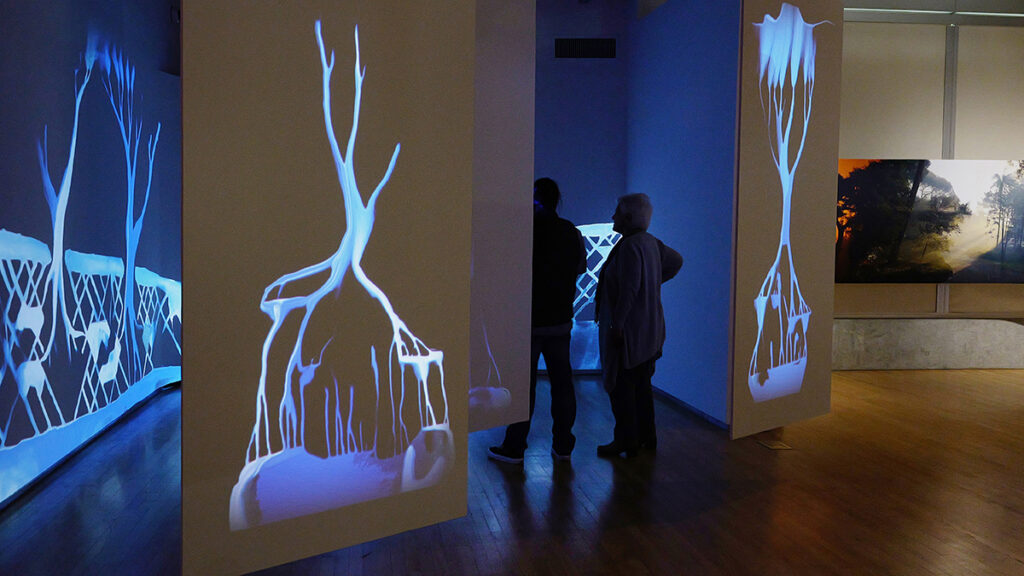 The immersive and interactive WILDLAND exhibition allowed the public—and the exhibition’s creators—to explore connections among water, trees, fire, and other natural and human-made materials expressed across a spectrum of artistic approaches.
Titanic Shake-Up Could Explain Saturn’s Young Rings and Strange Moons
2 April 2026 @ 12:53 pm
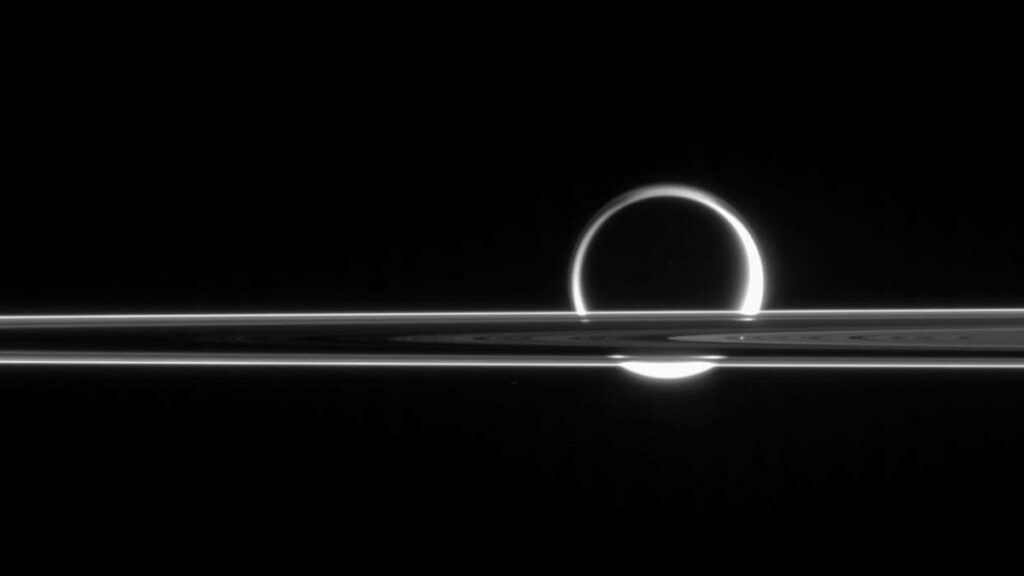 A new model shows how the migration of Titan could have destroyed another moon, creating Saturn’s rings and the moon Hyperion. And, the model suggests, this all happened in the past billion years.
Humanity Returns to the Moon with Artemis II
1 April 2026 @ 10:40 pm
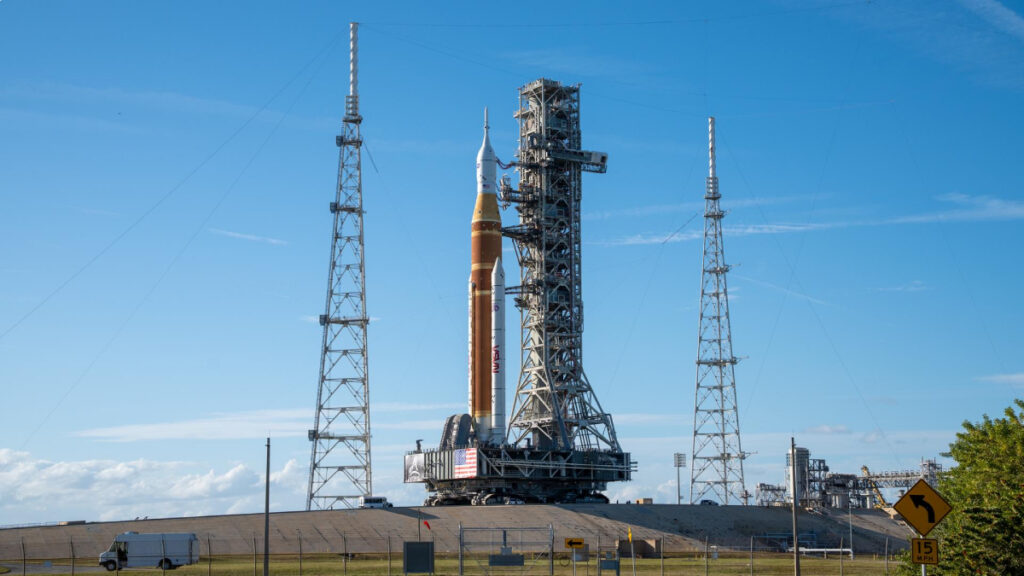 Today, four intrepid astronauts began a journey around the Moon and back.
Don’t Blink: The Vera C. Rubin Observatory Is Revolutionizing Astronomy
1 April 2026 @ 12:58 pm
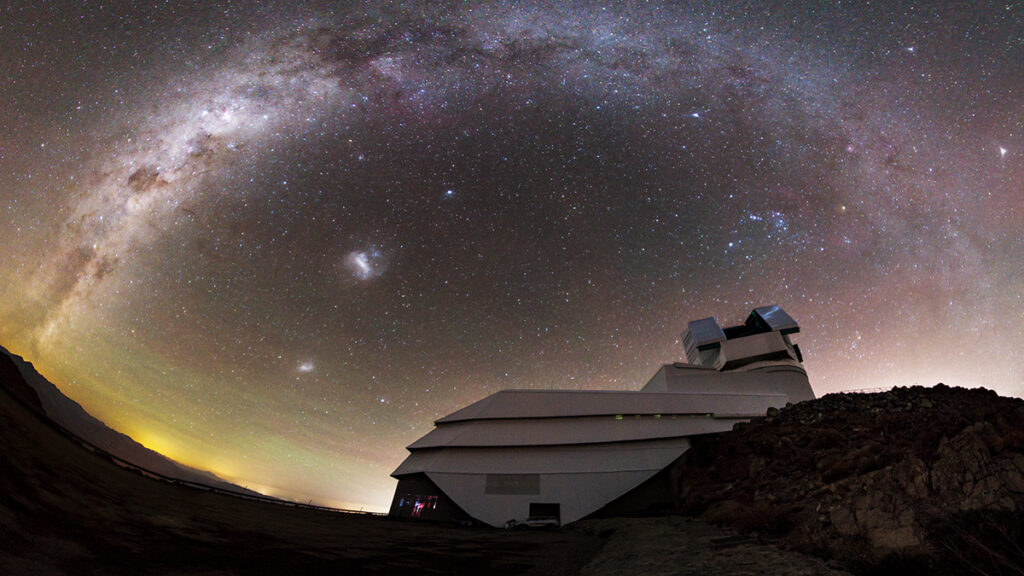 This April, Eos is focusing on the world’s newest observatory and all the fast and faint objects it’s allowing us to see.
Small, Faint, or Fast, Rubin Will Find It
1 April 2026 @ 12:58 pm
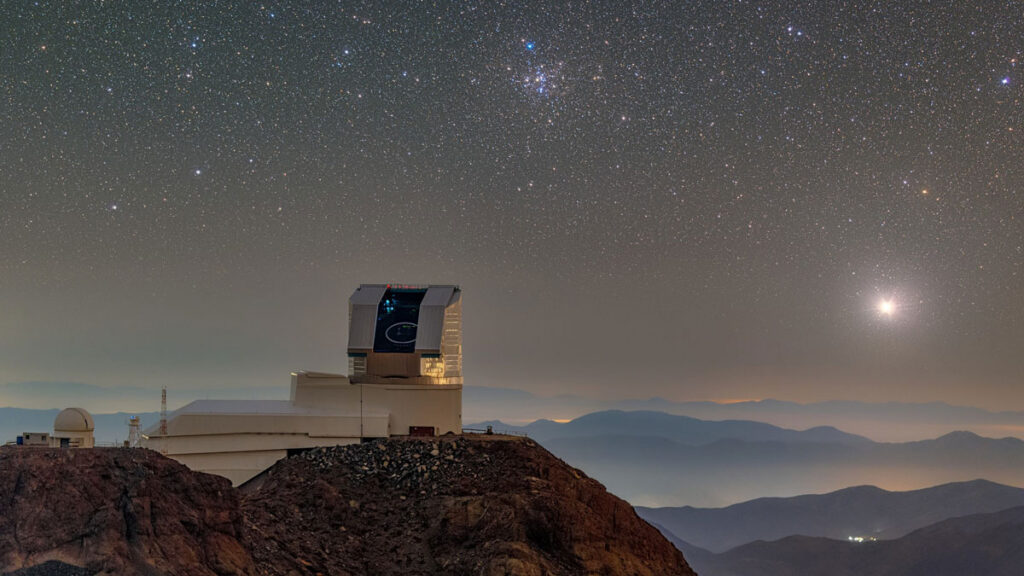 The Vera C. Rubin Observatory is set to redraw the map of the solar system by discovering millions of small, fast-moving objects hidden all around us.
Revolutionizing Interference Detection to Protect the Silence of the Cosmos
1 April 2026 @ 12:00 pm
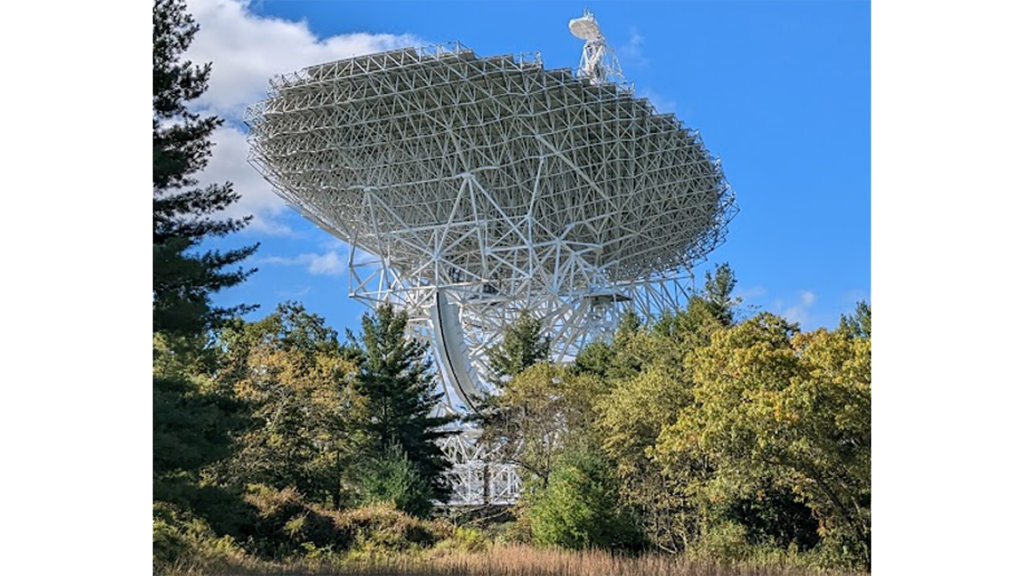 TranQuiL is a groundbreaking system that revolutionizes Radio Quiet Zone enforcement by enabling long-range detection and precise localization of Wi-Fi and Bluetooth interference with unparalleled accuracy.
Climate Science Has No Place in Scientific Reference Manual for Judges, Attorneys General Say
31 March 2026 @ 1:12 pm
 A chapter on climate science has been removed from a manual designed to be an independent, neutral source of scientific information for judges.
Harnessing Subseasonal-to-Seasonal Predictability from Annual Evolution
31 March 2026 @ 12:00 pm
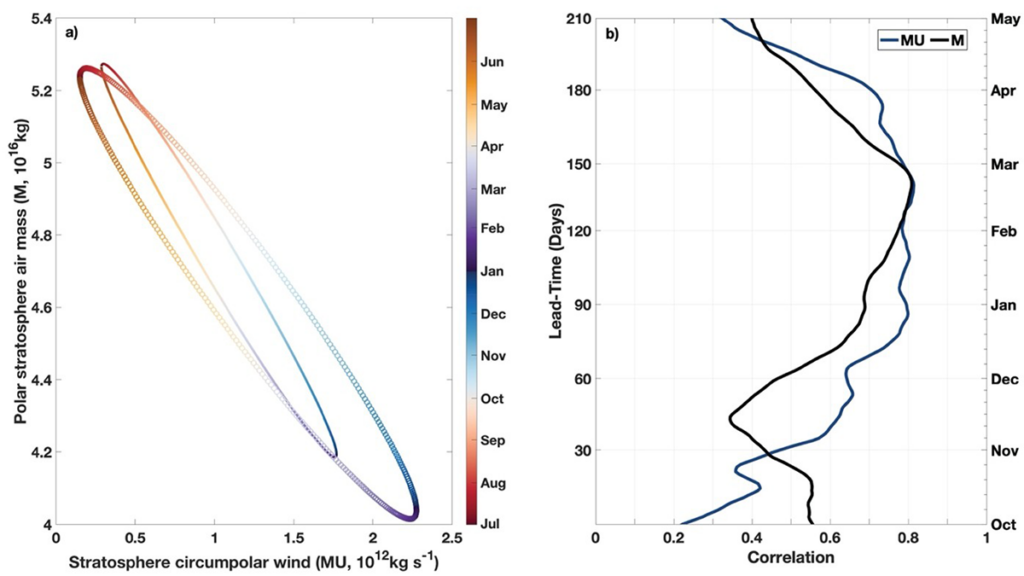 Capturing year-to-year variations of the stratospheric polar vortex’s annual evolution enables skillful prediction of subseasonal-to-seasonal (S2S) cold-season anomalies up to six months in advance.
On the economic benefits of rural roads in Nepal
31 March 2026 @ 7:30 am
 A new paper (Adhikari et al. 2026) in the journal Asian Development Review shows that earthen roads in the hilly areas of Nepal generate limited economic benefits but carry a high landslide cost. Loyal readers of this blog will have seen many posts that cover the problematic landslide history of low technology rural roads in […]